How Often Do You Need Periodontal Treatment Maintenance?
If you have ever finished active gum treatment and assumed you were done for good, you are not alone. Many patients feel relieved after scaling and root planing, antibiotic therapy, or periodontal surgery, then are surprised to hear they now need maintenance visits more often than a standard cleaning schedule. That recommendation is not salesmanship. It is based on how periodontal disease behaves in the real world.
Periodontal disease is usually not a one-time event. It is a chronic inflammatory condition driven by bacteria, immune response, and a long list of personal risk factors. Once the supporting tissues around the teeth have been damaged, the mouth often needs closer supervision to keep that damage from progressing. Periodontal treatment maintenance is the phase where the long-term success of all earlier care is either protected or gradually undone.
So how often do you need it? The short answer is that many people with a history of gum disease need maintenance every three to four months, at least for a period of time. But that is only the starting point. The right interval depends on your gum measurements, bleeding levels, bone loss, home care, smoking status, diabetes control, dry mouth, genetics, and even the shape of the dental work already in your mouth.
That is why two people who both had periodontal treatment may walk away with different maintenance schedules. One may return every three months for years. Another may stabilize and shift to every four months. A small number, after a long stretch of healthy findings, may move closer to six months, though that is less common in patients with established periodontitis.
Why maintenance is different from a regular cleaning
A routine dental cleaning, often called a prophylaxis, is meant for a mouth without active periodontal disease and without significant attachment loss. Periodontal maintenance is different in both purpose and intensity. It is designed for patients who have already been treated for periodontitis and remain at higher risk of relapse.
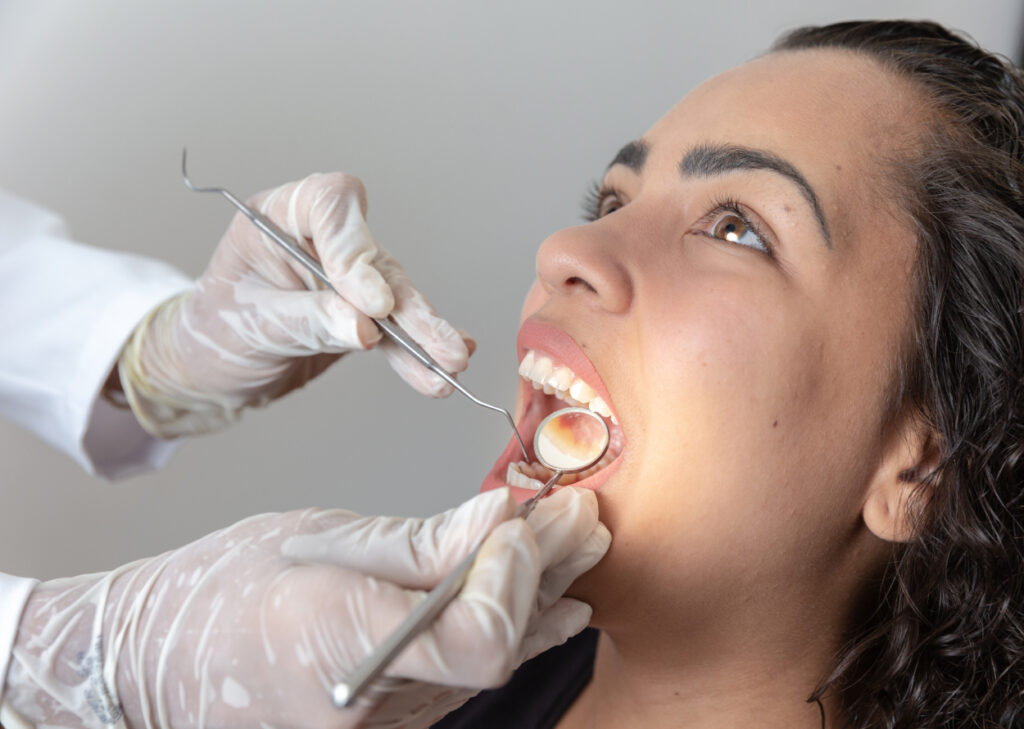
In a maintenance visit, the clinician is not just polishing the teeth and removing surface stain. They are checking pocket depths, bleeding, plaque retention, gum inflammation, mobility, recession, furcation involvement around molars, and any signs that the disease has become active again. Areas below the gumline often need targeted debridement. Some sites may need irrigation, localized antimicrobials, or referral back to a periodontist if deeper pockets return.
This distinction matters because gum disease can look deceptively quiet between visits. A patient may feel no pain and notice no obvious swelling, yet have deep pockets that trap bacteria and continue to break down bone. Periodontitis is often more silent than dramatic. Maintenance is how that silence gets interrupted before bigger problems develop.
The interval most dentists and periodontists recommend
For many patients, the most common recommendation after active periodontal treatment is every three months. That timing did not come out of nowhere. The bacterial communities under the gums can repopulate over time, and the tissues can shift from stable to inflamed before six months passes. Three-month recare helps disrupt that cycle before it gains momentum.
In practice, this interval often works well for several types of patients: those with moderate to severe periodontitis, people with persistent bleeding on probing, smokers or former smokers, patients with diabetes that is not tightly controlled, and anyone who has had surgery, bone loss, or recurring deep pockets. It is also common after implant placement in a patient with a history of periodontal disease, since the same risk profile that harms teeth can affect implants.
That said, a rigid schedule is not the goal. The point is disease control. If a patient has stable measurements over time, very little bleeding, strong home care, and no new bone loss on radiographs, some clinicians will move the interval to every four months. In a low-risk, very stable case, sometimes five or six months is considered, but only after a long track record of health and only with careful monitoring.
I have seen this play out in a very predictable pattern. Patients who keep their three-month periodontal maintenance visits early on often earn more flexibility later. Patients who skip because their mouth "feels fine" tend to return with deeper pockets, more bleeding, and treatment needs that are harder and more expensive than maintenance ever was.
What determines your personal maintenance schedule
The best maintenance interval is less about a calendar and more about your risk profile. Dentists and periodontists weigh several clinical and lifestyle factors when deciding how often you need periodontal treatment maintenance.
Here are the factors that matter most:
- Pocket depth and bleeding: Deeper pockets and sites that bleed easily usually call for shorter intervals.
- History of bone loss: If periodontitis has already caused measurable bone loss, relapse is more concerning.
- Smoking or vaping: Tobacco use changes healing, inflammation, and disease progression.
- Medical conditions: Diabetes, immune suppression, certain medications, and dry mouth can increase risk.
- Home care quality: Excellent brushing and interdental cleaning can lengthen stability, poor plaque control shortens it.
A patient with generalized 5 to 7 millimeter pockets after treatment, occasional bleeding, and a pack-a-day smoking history does not belong on the same maintenance plan as a patient with mostly 3 to 4 millimeter pockets, no bleeding, and meticulous home care. The disease may share a name, but the day-to-day risk is different.
Even dental anatomy can push the schedule one way or the other. Crowded lower front teeth collect tartar more aggressively. Molars with furcations are hard to keep clean. Old crowns with overhangs trap plaque. A patient with arthritis may want to clean carefully but physically struggle to do it. Good clinicians account for those realities instead of assuming every patient can maintain the same standard at home.
What happens during periodontal treatment maintenance
A proper periodontal maintenance appointment is part evaluation, part therapy. If you are used to a quick polishing visit, maintenance may feel more detailed, and that is appropriate.
The clinician usually reviews changes in your health, medications, and symptoms. They look at your gums closely and compare current findings with prior charting. Pocket depths may be measured at six points per tooth. Bleeding and suppuration, meaning pus from a pocket, are warning signs. They assess recession, tooth mobility, bite changes, and areas where plaque or calculus keep returning.
Then comes the actual cleaning, which is more precise than a standard prophylaxis. Biofilm and calculus are removed above and below the gumline, especially in problem sites. Some areas may need hand instruments, others ultrasonic tips, and some may require local anesthesia if the pockets are deeper or more sensitive. If an implant is present, special care is taken around it to avoid damaging the surface while still removing inflammatory deposits.
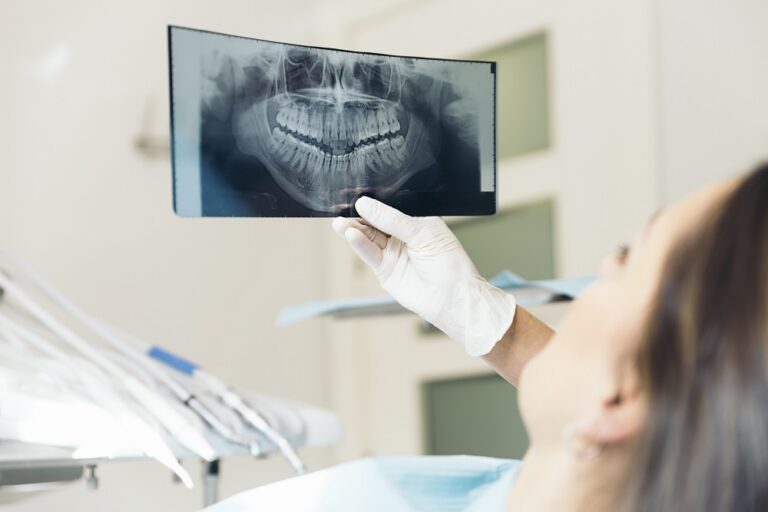
X-rays are not taken at every visit, but they may be recommended periodically to track bone levels or check areas of concern. If maintenance findings suggest disease progression, the team may recommend additional periodontal treatment rather than simply scheduling the next cleaning and hoping for the best.
This is one reason maintenance should never be viewed as optional hygiene. It is surveillance and intervention wrapped into one appointment.
Why three months often works better than six
Patients often ask a fair question: if they brush and floss well, why can they not just return every six months like everyone else?
The answer has to do with disease recurrence and access. Once gum pockets deepen, especially beyond 4 millimeters, they become harder to clean completely at home. Even diligent patients cannot always reach complex root surfaces, furcations, or tissue architecture altered by past inflammation. Bacteria thrive in those protected spaces. Given enough time, they can rebuild mature biofilm communities that trigger renewed tissue breakdown.
There is also the matter of tissue response. Some people build tartar rapidly. Others barely do. Some bleed readily with minor plaque accumulation. Others show little redness until more significant damage is underway. A shorter maintenance interval catches both patterns sooner. It allows the clinician to interrupt bacterial recolonization, reinforce home care, and identify subtle decline before it becomes obvious radiographically or symptomatically.
Think of it less like repeating treatment and more like controlling a chronic condition. No one expects a history of high blood pressure to vanish after one good month. Periodontitis behaves similarly. When it is stable, it still deserves respect.
Situations where you may need visits even more often
Three months is common, but not always enough. Some patients truly benefit from more frequent periodontal maintenance, at least temporarily. After periodontal surgery, implant complications, aggressive inflammation, or poor diabetes control, a shorter interval may help stabilize the tissues. The same can be true for patients with dexterity limitations or those going through chemotherapy, medication changes, https://sethetek388.trexgame.net/how-age-influences-your-periodontal-treatment-needs or severe dry mouth.
A practical example is the patient who returns every three months yet still shows widespread bleeding and new deposits each time. That pattern suggests either home care is not effective enough, risk factors remain uncontrolled, or the current interval is too long for the bacterial load and host response involved. Moving to eight- or ten-week visits can make a visible difference. It is not forever in every case, but it can be the difference between holding the line and losing more attachment.
There are also patients in orthodontic treatment or complex restorative care whose periodontal status needs closer watching. Brackets, aligners, bridges, and poorly contoured restorations can all change plaque retention. Maintenance should adapt to what is happening in the mouth now, not just what happened a year ago.
When can the schedule become less frequent?
Patients understandably want to know if they can "graduate" from frequent maintenance. Sometimes the answer is yes, cautiously. If your gums remain stable over several visits, pocket depths stay consistent, bleeding is minimal, home care is excellent, and there are no new radiographic concerns, your dentist or periodontist may extend the interval. Often that means moving from every three months to every four months rather than jumping straight to six.
What clinicians want to see is sustained stability, not one good day. Gum tissue can look calm for a short time and still relapse later if plaque control slips or risk factors change. That is why extension usually happens gradually.
I have seen patients earn that shift after making meaningful changes, most often quitting smoking, improving blood sugar control, or learning better interdental cleaning techniques. In those cases, the maintenance interval changes because the biology changed, not because the patient got tired of appointments.
Signs your maintenance schedule may be too long
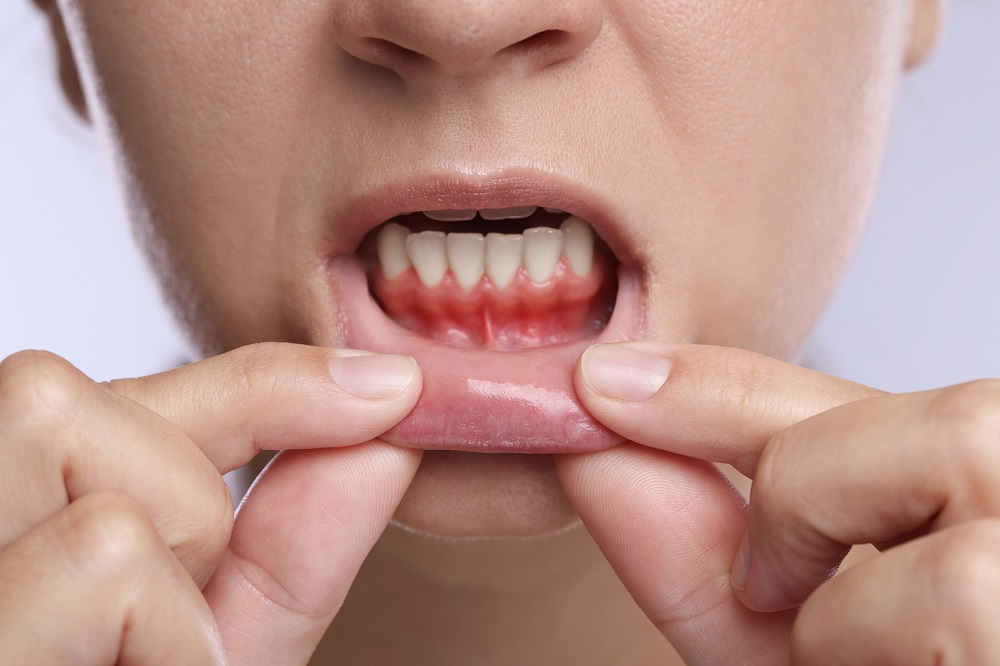
Sometimes the clearest evidence comes from what shows up between visits. If you notice bleeding during brushing, bad breath that returns quickly, tenderness in one area, new spacing between teeth, or a tooth that feels slightly loose, it is worth calling before your next scheduled visit. These symptoms do not always mean active periodontitis, but they should not be ignored.
Dentists also look for patterns over time. If each maintenance appointment begins with moderate to heavy buildup, inflamed tissue, or pockets that deepen again before the next visit, the spacing may be too long. A stable patient should not repeatedly arrive in need of rescue work.
Watch for these changes between appointments:
- gums that bleed more than usual
- persistent bad taste or bad breath
- teeth feeling longer because of recession
- tenderness when flossing certain areas
- shifting teeth or changes in your bite
Those signs do not always call for emergency care, but they do justify a closer look. Early periodontal relapse is much easier to manage than advanced recurrence.
The cost question, and why maintenance often saves money
There is no getting around the fact that periodontal maintenance can cost more than a standard cleaning, and the need for three or four visits a year can feel frustrating. Patients often compare the immediate out-of-pocket cost with what they used to pay for two regular cleanings and wonder whether the difference is truly justified.
In many cases, it is. Maintenance is cheaper than retreatment. It is certainly cheaper than surgery, extraction, bone grafting, or replacing missing teeth with implants or bridges. Financially, the math tends to favor prevention, especially in mouths that have already shown a tendency toward breakdown.
Insurance does not always make this easy. Some plans limit how often they will cover periodontal maintenance or impose waiting periods. Others alternate benefits in a way that confuses patients. That can create the impression that the schedule is arbitrary, when really the benefit design is the arbitrary part. Clinical need should drive frequency, even when insurance coverage lags behind it.
Patients who are candid about budget concerns often get the best results because those concerns can be planned around. Offices may help stage care, maximize timing of benefits, or prioritize the highest-risk areas. Avoiding visits altogether, though, rarely saves money for long.
Home care can lengthen stability, but it cannot replace maintenance
Excellent home care is the backbone of periodontal health, yet it has limits. Brushing twice a day with a soft brush, cleaning between the teeth daily, and using any tools recommended for your anatomy can dramatically improve maintenance outcomes. Power brushes help many patients. So do floss holders, interdental brushes, water flossers, and prescription rinses in select cases.
But home care is not a complete substitute for professional periodontal treatment maintenance. Even very conscientious patients miss subgingival deposits or struggle with hard-to-reach areas. Root contours, tight contacts, bridgework, and furcations create obstacles that a bathroom mirror cannot overcome.
The healthiest long-term pattern is partnership. Patients control daily plaque disruption. The dental team handles what cannot be reached or seen easily at home, while also measuring whether disease activity is actually under control. Both sides matter. When either side slips, the system weakens.
Special considerations for implants
A history of periodontal disease increases the risk of peri-implant disease, which is inflammation and bone loss around implants. That is one reason implant patients with past periodontitis are often kept on a strict maintenance schedule. An implant is not immune to the bacterial and inflammatory environment that damaged natural teeth.
In fact, some implant problems advance with fewer symptoms than patients expect. There may be little pain even when pockets deepen or bone is being lost. Regular maintenance visits allow the team to check tissue health, clean the area with implant-safe instruments, and monitor the surrounding bone and prosthetic design.
I have seen patients care for their implants faithfully and still need close professional maintenance because the challenge is not laziness, it is anatomy and history. If you have implants and a periodontal background, the schedule should be taken seriously.
What to ask your dentist or periodontist
If you are unsure whether your maintenance plan makes sense, ask direct questions. You are entitled to understand the reason behind the schedule. A good explanation should be specific to your mouth, not vague.
Ask what your deepest pocket measurements are now compared with before treatment. Ask whether you still bleed in certain areas. Ask how your bone levels look over time. Ask what risk factors are keeping you on the current interval, and what improvements would justify extending it. Those answers help turn maintenance from a mysterious recurring appointment into a practical long-term plan.
Patients do best when they know what success looks like. Stable probing depths, minimal bleeding, manageable plaque, and no continuing bone loss are meaningful targets. If your schedule is every three months, it should be because there is a clinical reason, not because "that is just what we do."
The answer most people need
For most patients who have had periodontitis, periodontal treatment maintenance is needed every three to four months, especially in the first phase after active treatment. That interval is common because it works. It helps control bacterial recolonization, catches recurrence early, and protects the investment you already made in your teeth and gums.
Some people need visits more often. A smaller group can eventually go less often. The right answer depends on your history, exam findings, risk factors, and how well your gums stay stable over time.
If you have been advised to return every three months, take that recommendation as a sign that your dental team is trying to preserve what treatment already achieved. Periodontal disease can be managed very successfully, but it usually rewards consistency more than shortcuts. The patients who keep their maintenance appointments, ask good questions, and stay realistic about risk are usually the ones who keep their teeth the longest.
Avra Dental
Address: 1708 S Victoria Ave B, Ventura, CA 93003
Phone number: (805) 941-1001
FAQ About Periodontal Treatment
Can a dentist get rid of periodontal disease?
A dentist or gum specialist (periodontist) cannot fully cure or reverse advanced periodontal disease (periodontitis), but they can successfully stop its progression and manage the infection.
Is periodontitis very serious?
Yes, periodontitis is a very serious, advanced form of gum disease that destroys the bone and tissues supporting your teeth.
How is stage 2 periodontal disease treated?
Stage 2 periodontal disease (early to moderate periodontitis) is primarily treated with non-surgical deep cleaning procedures like scaling and root planing to remove bacteria and tartar below the gumline.